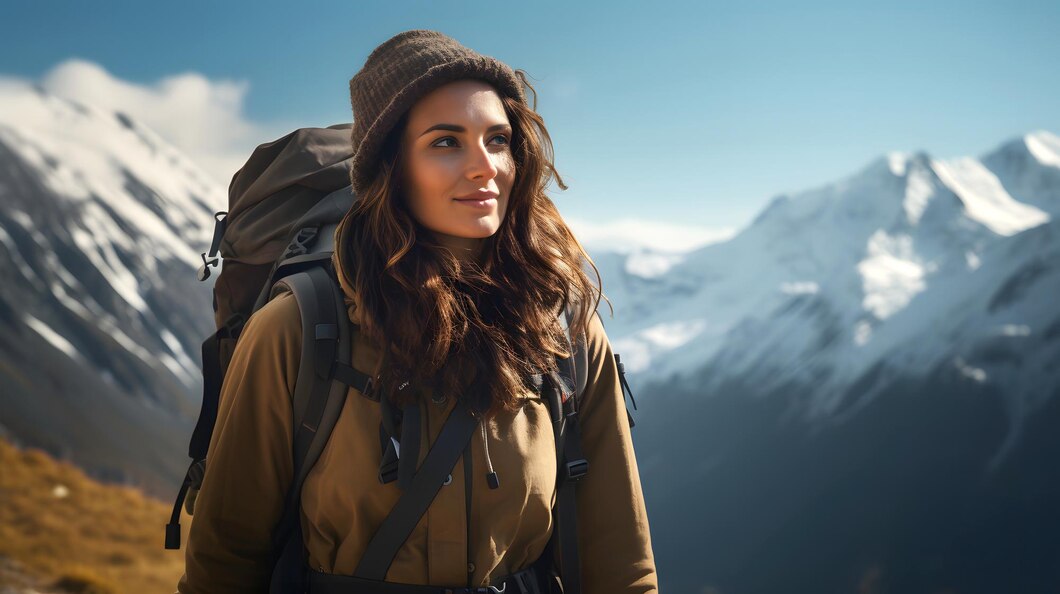
Embarking on the Manaslu Circuit Trek is akin to stepping into a world where nature’s raw beauty meets the timeless traditions of the Himalayas. This journey through the heart of Nepal offers trekkers not just a physical challenge, but a profound experience filled with stories etched into the landscape and lives of those who inhabit it.
As you begin the trek from Soti Khola, the path winds through lush forests and terraced fields, each turn revealing the harmonious relationship between the land and its people. The trek progresses along the Budhi Gandaki River, where the echo of rushing waters and the verdant greenery create a backdrop of serene beauty. The river’s course, cut through rugged gorges, tells a tale of geological forces at work, sculpting the land over millennia.
As the trail ascends, the scenery transforms dramatically. The dense forests give way to alpine meadows and, eventually, to the stark, high-altitude landscapes that define the higher elevations. The trek’s centerpiece, the Larkya La Pass, stands as a high-altitude sanctuary where trekkers are greeted by a breathtaking panorama of snow-capped peaks, including Mount Manaslu, Annapurna II, and Ganesh Himal. The sheer grandeur of the pass is a testament to nature’s ability to inspire awe and reverence.
Alongside the physical landscapes, the cultural tapestry of the Manaslu Circuit enriches the experience. Villages like Namrung and Samagaon offer glimpses into the lives of the local communities, whose traditions and customs are deeply intertwined with their surroundings. The influence of Tibetan culture becomes increasingly evident as you travel higher, with prayer flags fluttering in the wind and ancient monasteries dotting the landscape. The local inhabitants, with their warm hospitality and rich cultural heritage, share stories of their ancestors and the sacred significance of the land.
The trek also brings encounters with diverse wildlife. From the colorful Himalayan Monal to the elusive snow leopard, the region’s flora and fauna contribute to the trek’s enchanting narrative. Each animal, plant, and landscape feature adds a layer to the story of this remote corner of the world.
Throughout the journey, the challenges of trekking at high altitudes and navigating variable weather conditions are met with resilience and preparation. The trail’s demanding terrain and the unpredictable Himalayan weather create a dynamic environment where each day brings new experiences and stories. The camaraderie among trekkers, as they support one another through strenuous sections and share in the triumphs of reaching scenic viewpoints, adds a human element to the trek’s narrative.
In the end, experiencing the Manaslu Circuit Hike is about more than just traversing a trail. It is about immersing oneself in a landscape that tells a story of natural magnificence and cultural depth. Each step along the path is a step deeper into a world where every turn and encounter contributes to a rich tapestry of trail tales, making the journey an unforgettable chapter in the book of life’s adventures.
Introduction to the Manaslu Circuit
The Manaslu Circuit Trek offers a spectacular journey through the Himalayas, showcasing one of Nepal’s most pristine and diverse trekking routes. Nestled in the west-central part of Nepal, this circuit encircles Mount Manaslu, the eighth highest peak in the world. The trek spans approximately 177 kilometers and takes trekkers through varying landscapes, from lush subtropical forests to barren high-altitude terrains. It combines stunning mountain vistas with rich cultural experiences, making it a coveted destination for adventure enthusiasts and nature lovers alike.
The circuit begins in the small village of Soti Khola and gradually ascends, crossing several climatic zones and passing through remote villages where traditional lifestyles are still preserved. Trekkers experience the dramatic transition from tropical forests and terraced fields to the alpine meadows and icy heights of the Himalayas. The journey culminates at the Larkya La Pass, one of the highest points on the trek, offering breathtaking panoramic views of the surrounding peaks. The Manaslu Circuit is less frequented compared to other popular treks, allowing for a more serene and intimate experience with nature and local culture.
The trek’s remote location and the variety of terrains it covers make it a compelling adventure for those seeking both challenge and beauty. With its blend of natural splendor and cultural richness, the Manaslu Circuit presents a unique opportunity to explore one of the Himalayan region’s hidden gems.
Preparing for the Trek: Essential Tips
Preparing for the Manaslu Circuit Trek requires careful planning and consideration to ensure a successful and enjoyable adventure. The trek’s challenging terrain and high-altitude conditions demand thorough preparation both physically and logistically.
Physical Fitness: Begin training well in advance to build endurance and strength. Cardiovascular exercises, such as running or cycling, combined with strength training, especially focusing on leg muscles, will help prepare you for the trek’s demands. Incorporate long hikes into your routine, ideally with a weighted backpack, to simulate trekking conditions.
Permits and Documentation: The Manaslu Circuit requires several permits, including the Manaslu Conservation Area Permit and the Annapurna Conservation Area Permit, as well as a restricted area permit. These permits must be arranged before departure, often through a licensed trekking agency. Ensure your passport is valid for at least six months beyond your trek dates and carry copies of important documents.
Gear and Packing: Invest in high-quality trekking gear, including sturdy boots, a warm sleeping bag, and layers of clothing suitable for varying weather conditions. Essential items include trekking poles, a headlamp, and a first aid kit. Pack light but include all necessary gear to address both cold temperatures and potential rain.
Acclimatization: High-altitude trekking requires proper acclimatization to prevent altitude sickness. Plan your itinerary to include acclimatization days and avoid rapid ascents. Stay hydrated, and listen to your body’s signals throughout the trek.
Thorough preparation ensures you are well-equipped to tackle the challenges of the Manaslu Circuit and fully enjoy its incredible scenery and cultural experiences.
Mapping the Circuit: Route Overview
The 14 Days Manaslu Circuit Trek spans approximately 177 kilometers and typically takes 12 to 14 days to complete. The route provides a diverse trekking experience, traversing through lush forests, alpine meadows, and rugged mountain landscapes, with each day offering new vistas and challenges.
Starting Point: The trek begins in Soti Khola, a small village accessible by a drive from Kathmandu. From here, the trail follows the Budhi Gandaki River, passing through terraced fields and dense forests.
Key Stops: The route progresses through several key villages, including Machha Khola, Jagat, and Deng. These villages offer opportunities to rest, interact with locals, and acclimate to the increasing altitude.
Ascend to High Altitudes: The trek continues through Namrung and Samagaon, where trekkers experience the transition from lush greenery to more rugged terrain. Samagaon serves as a base for acclimatization before tackling the high-altitude pass.
Larkya La Pass: The highlight of the trek is crossing the Larkya La Pass at 5,160 meters. This challenging segment offers panoramic views of the surrounding peaks and glaciers. The descent from the pass leads to the village of Bimthang, known for its scenic beauty.
Descent and Conclusion: The final leg of the trek descends through lush forests and traditional villages, including Tilije and Tal, before reaching Syange. From Syange, trekkers drive back to Kathmandu, concluding their adventure.
The Manaslu Circuit route offers a rich tapestry of landscapes and cultural encounters, making it a memorable journey through one of Nepal’s most remote and beautiful regions.
Cultural Encounters: Local Traditions and Festivals
The Manaslu Circuit Trek provides a unique opportunity to immerse yourself in the rich cultural tapestry of the region. As you traverse the circuit, you’ll encounter diverse ethnic communities with distinct traditions and festivals that add a vibrant dimension to your trek.
Ethnic Diversity: The trek passes through various villages inhabited by different ethnic groups, including the Gurung, Tamang, and Tibetan communities. Each group has its own unique customs, traditions, and ways of life. Interactions with these communities offer insights into their daily lives, rituals, and beliefs.
Local Festivals: Depending on the time of year, you may have the chance to witness local festivals and ceremonies. Festivals such as Dashain, Tihar, and Losar (Tibetan New Year) are celebrated with traditional rituals, music, dance, and feasts. These festivals are a vibrant display of the cultural heritage and communal spirit of the region.
Religious Sites: Along the trek, you’ll come across several monasteries, stupas, and prayer flags, reflecting the region’s strong Buddhist influence. Monasteries like the one in Samagaon offer a glimpse into the spiritual practices of the local communities. Participating in or observing local religious ceremonies can be a profound experience.
Cultural Etiquette: Respecting local customs is essential. Dress modestly when visiting religious sites, and seek permission before photographing people. Engaging with the locals respectfully and showing appreciation for their culture enriches your trek and fosters positive interactions.
The cultural encounters along the Manaslu Circuit provide a deeper understanding of the region’s heritage, making the trek not only an adventure through spectacular landscapes but also a journey into the heart of Himalayan culture.
Flora and Fauna: The Natural Diversity of Manaslu
The Manaslu Circuit Trek is a haven for nature enthusiasts, offering a remarkable diversity of flora and fauna across its varied landscapes. From lush subtropical forests to high-altitude meadows, the region’s ecosystems support a rich array of plant and animal life.
Flora: The trek begins in subtropical and temperate zones, where you’ll find dense forests of sal, pine, and rhododendron. As you ascend, the vegetation shifts to alpine meadows populated with colorful wildflowers such as primroses, edelweiss, and blue poppies. The higher altitudes reveal hardy plants adapted to harsh conditions, including shrubs and grasses.
Fauna: The Manaslu region is home to diverse wildlife. In the lower altitudes, you may encounter species like the Himalayan tahr and the barking deer. As you climb higher, the fauna becomes more specialized, including the elusive snow leopard, which occasionally roams the high-altitude regions. Birdwatchers can spot a variety of species, such as the Himalayan Monal, the national bird of Nepal, and the colorful pheasants.
Conservation Efforts: The Manaslu Conservation Area, established to protect the region’s biodiversity, plays a crucial role in preserving these habitats. Efforts to conserve wildlife and their environments help maintain the ecological balance and support sustainable tourism.
Viewing Tips: To maximize wildlife sightings, trek quietly and be patient. Early mornings and late afternoons are often the best times for observing animals. Respect the wildlife by maintaining a safe distance and avoiding disturbance to their natural behaviors.
The flora and fauna of the Manaslu Circuit contribute to the trek’s allure, providing trekkers with a captivating glimpse into the natural diversity and ecological significance of this Himalayan gem.
Day-by-Day Journey: Itinerary Breakdown
Embarking on the Manaslu Circuit Trek typically involves a well-paced itinerary that spans 12 to 14 days, allowing trekkers to fully experience the region’s diverse landscapes and cultural richness while ensuring proper acclimatization. Here is a detailed breakdown of a typical day-by-day itinerary for the trek.
Day 1: Kathmandu to Soti Khola
The journey begins with a drive from Kathmandu to Soti Khola, the trek’s starting point. The drive, which takes approximately 8-10 hours, winds through picturesque countryside and offers initial glimpses of the Himalayan foothills.
Day 2: Soti Khola to Machha Khola
The trek starts with a walk through terraced fields and lush forests, following the Budhi Gandaki River. The route is relatively gentle, leading to the village of Machha Khola, where trekkers can rest and acclimate.
Day 3: Machha Khola to Jagat
Ascending through forests and crossing suspension bridges, trekkers reach Jagat, a village with a blend of traditional architecture and stunning river views. This section involves some steep climbs and descents.
Day 4: Jagat to Deng
The trail continues through forests and over rocky paths, leading to Deng. This village offers a glimpse into local life and serves as a rest stop before heading higher.
Day 5: Deng to Namrung
The trek enters a more rugged terrain, with the path ascending gradually to the village of Namrung. This area is known for its traditional Tibetan-style houses and the beginning of Tibetan cultural influences.
Day 6: Namrung to Samagaon
The route takes trekkers to Samagaon, a significant village for acclimatization. Samagaon is a base for exploring the surrounding area and adjusting to higher altitudes.
Day 7: Rest Day in Samagaon
A full rest day in Samagaon allows trekkers to acclimate to the altitude. Optional hikes to nearby sights, like the Manaslu Base Camp or the Pungyen Gompa, offer spectacular views and cultural experiences.
Day 8: Samagaon to Larkya Phedi
Trekking through alpine meadows and high-altitude terrain, trekkers reach Larkya Phedi, the base for the challenging Larkya La Pass. The day involves a steady ascent to prepare for the high-altitude crossing.
Day 9: Larkya Phedi to Bimthang via Larkya La Pass
This challenging day includes crossing the Larkya La Pass at 5,160 meters. The pass offers panoramic views of snow-capped peaks. The descent leads to Bimthang, where trekkers can recover from the demanding day.
Day 10: Bimthang to Tilije
The trek continues through lush forests and past traditional villages, arriving in Tilije. This village provides a cultural touchstone with its Tibetan influences and warm hospitality.
Day 11: Tilije to Tal
Descending through terraced fields and picturesque landscapes, the route leads to Tal, a village situated by a beautiful lake. The relaxed pace of the day offers time to enjoy the scenic beauty.
Day 12: Tal to Syange and Drive to Kathmandu
The final day involves trekking to Syange, followed by a drive back to Kathmandu. The journey offers a chance to reflect on the adventure and transition back to city life.
The detailed itinerary ensures a well-balanced trek, allowing for acclimatization, exploration, and appreciation of the Manaslu Circuit’s stunning landscapes and cultural heritage.
Accommodations on the Trail: Where to Stay
Accommodations along the Manaslu Base Camp Trek are primarily in teahouses and lodges, which offer varying levels of comfort and amenities. These establishments cater to trekkers with a range of options from basic to more comfortable stays.
Teahouses: The majority of accommodation along the Manaslu Circuit consists of traditional teahouses. These family-run guesthouses provide essential services, including a place to sleep, meals, and sometimes hot showers. Rooms are typically simple, with basic beds, blankets, and shared or private bathrooms. The level of comfort can vary, but most teahouses are clean and offer a warm environment for trekkers.
Lodges: In some of the larger villages, such as Samagaon and Bimthang, lodges offer more comfortable accommodations with better facilities. These lodges may have private rooms with en-suite bathrooms and additional amenities like Wi-Fi or charging facilities. The accommodations in these areas are generally more spacious and offer a greater level of comfort, helping trekkers rest well during their trek.
Local Experience: Staying in teahouses and lodges provides an opportunity to interact with local families and gain insight into their daily lives and customs. Many of these establishments are built using traditional techniques and offer a genuine cultural experience, allowing trekkers to immerse themselves in the local way of life.
Booking and Availability: It’s advisable to book accommodations in advance, especially during peak trekking seasons. While some trekkers opt to arrange their stays through trekking agencies, others may choose to book directly or find accommodations upon arrival. During the high season, rooms can fill up quickly, so planning ahead ensures a smoother experience.
Accommodations on the Manaslu Circuit Trek provide essential comfort and local flavor, contributing to a memorable and authentic trekking experience.
What to Pack: Essential Gear for Trekkers
Packing appropriately for the Manaslu Circuit Trek is crucial for a successful and enjoyable journey. The trek spans diverse climates and altitudes, so a well-thought-out gear list ensures that you are prepared for various conditions.
Clothing: Layering is key to managing temperature fluctuations. Start with moisture-wicking base layers to keep sweat away from your skin, add insulating layers such as fleece or down jackets for warmth, and top off with a waterproof and windproof outer layer. Pack several pairs of trekking socks and underwear, and include a hat, gloves, and a neck gaiter for protection against cold weather.
Footwear: Invest in high-quality trekking boots with ankle support and good grip. Properly broken-in boots are essential for navigating rugged trails and providing comfort during long days of walking. Additionally, pack a pair of lightweight camp shoes or sandals for relaxation after trekking.
Gear: Trekking poles are highly recommended for stability and reducing strain on your knees. A reliable headlamp with extra batteries is useful for early morning starts or late evening activities. A good quality sleeping bag suitable for low temperatures, a lightweight backpack, and a rain cover are also important.
Personal Items: Bring personal hygiene items, such as biodegradable soap and a compact towel. A first aid kit with essentials like blister treatment, pain relievers, and altitude sickness medication is crucial. Additionally, carry a reusable water bottle and purification tablets or a filter to stay hydrated.
Technical Equipment: If you plan to capture the journey, bring a camera with extra batteries and memory cards. Binoculars for wildlife viewing and a lightweight multi-tool can also be useful.
Packing wisely ensures you are equipped to handle the varying conditions of the Manaslu Circuit, contributing to a comfortable and successful trekking experience.
Health and Safety Tips: Trekking Smart
Ensuring your health and safety on the Manaslu Circuit Trek involves preparation and vigilance due to the trek’s challenging terrain and high-altitude conditions. Here are key tips to help you trek safely and enjoyably.
Acclimatization: Altitude sickness is a common concern on high-altitude treks. To mitigate the risk, follow a gradual ascent plan with acclimatization days built into your itinerary. Avoid rapid elevation gains and spend time at intermediate altitudes to allow your body to adjust. Symptoms of altitude sickness include headaches, dizziness, and nausea, and if symptoms persist, descending to a lower altitude is crucial.
Hydration and Nutrition: Staying well-hydrated and properly nourished is vital. Drink plenty of water throughout the day, and consider using purification tablets or a filter to ensure the water is safe. Eat a balanced diet rich in carbohydrates and proteins to maintain energy levels. Regular meals and snacks help sustain stamina and support your overall well-being.
Foot Care: Proper foot care is essential for a comfortable trek. Wear well-fitting, moisture-wicking socks and trekking boots that are broken in before the trip. Check your feet regularly for blisters or hot spots and address any issues promptly to prevent further complications.
Weather Preparedness: The weather in the Himalayas can be unpredictable, with temperatures varying widely between day and night. Be prepared for all weather conditions by packing appropriate clothing layers, including waterproof gear. Check weather forecasts regularly and adjust your plans if necessary.
Emergency Protocols: Familiarize yourself with basic first aid and emergency procedures. Carry a first aid kit with essential items, and know the signs of common trekking-related injuries and illnesses. In case of severe health issues, evacuation may be necessary, so ensure you have a means of communication and know the nearest medical facilities.
Travel Insurance: Comprehensive travel insurance that covers trekking at high altitudes is highly recommended. It provides financial protection in case of medical emergencies or evacuation, offering peace of mind during your adventure.
By adhering to these health and safety tips, you can navigate the Manaslu Circuit Trek with confidence and enjoy a memorable and safe trekking experience.
Culinary Adventures: Tasting Local Cuisine
The Manaslu Circuit Trek offers a culinary journey as diverse and enriching as its landscapes. Along the trail, trekkers have the opportunity to savor traditional Nepali and Tibetan dishes, each providing a unique taste of the region’s culture and flavors.
Traditional Nepali Cuisine: The staple dish throughout the trek is Dal Bhat, a nutritious and hearty meal consisting of steamed rice (bhat) served with lentil soup
Photography Highlights: Capturing the Journey
The Manaslu Circuit Trek offers some of the most stunning and diverse photographic opportunities in the Himalayas. From the verdant terraced fields and bustling local villages to the majestic snow-capped peaks, every aspect of this trek provides a canvas for capturing breathtaking images.
Scenic Landscapes: As you ascend through the trek, the ever-changing landscapes offer dynamic photo opportunities. Early morning shots of the sun rising over the peaks, or the dramatic light and shadow play on the high-altitude meadows, can yield striking images. The transition from lush greenery in lower altitudes to the stark, rugged beauty of the high mountains presents a range of textures and colors ideal for landscape photography.
Mountain Vistas: One of the highlights of the trek is the panoramic views from Larkya La Pass. Here, you can capture awe-inspiring shots of Mount Manaslu and the surrounding Himalayan giants. The vast, snow-covered landscapes and distant mountain ranges provide a perfect backdrop for both wide-angle and close-up photography.
Local Culture: The trek also offers a rich array of cultural subjects. Villages like Samagaon and Tilije feature traditional Tibetan architecture, colorful prayer flags, and vibrant local festivals. Capturing the daily life and cultural practices of the local communities, including their attire and religious rituals, provides a deeper insight into their way of life.
Wildlife and Flora: For nature enthusiasts, the trek offers chances to photograph the diverse flora and fauna. The striking blue poppies, rare Himalayan tahr, and the elusive snow leopard are among the wildlife and plants you might encounter. Patience and a keen eye are necessary for capturing these often shy and elusive subjects.
To make the most of your photographic journey, carry a versatile camera with a range of lenses, including wide-angle and zoom, to capture everything from sweeping vistas to intricate details. Early morning and late afternoon light often provides the best conditions for photography, and a tripod can be useful for low-light situations.
Navigating Challenges: Weather and Terrain
The Manaslu Circuit Trek presents a variety of challenges related to its weather and terrain, requiring trekkers to be well-prepared and adaptable. The trek’s diverse landscapes and high-altitude conditions make it essential to navigate these challenges effectively.
Weather Variability: The weather in the Himalayas can be highly unpredictable, with conditions changing rapidly. Trekkers may encounter everything from sunny, warm days to sudden snowstorms and heavy rain. It is crucial to prepare for all types of weather by packing appropriate clothing layers, including waterproof and windproof gear. Checking weather forecasts frequently and adjusting your plans accordingly can help mitigate the impact of adverse weather conditions.
Terrain Diversity: The Manaslu Circuit features a wide range of terrains, from gentle riverbanks and terraced fields to steep, rocky paths and high-altitude ridges. The trek includes sections that require careful navigation, such as narrow trails along cliff edges and river crossings. Trekking poles can provide stability and support on uneven or slippery terrain, while good-quality hiking boots with ankle support are essential for navigating rough paths.
Altitude Challenges: High-altitude trekking poses additional challenges, including the risk of altitude sickness. It is important to follow a gradual ascent schedule, allowing time for acclimatization at key points along the route. Symptoms of altitude sickness, such as headaches, nausea, and dizziness, should be taken seriously, and descending to a lower altitude may be necessary if symptoms persist.
Physical Preparation: Adequate physical preparation is crucial for handling the trek’s demands. Regular cardiovascular and strength training, combined with practice hikes, will help build the endurance needed for long days on the trail. Staying hydrated and maintaining energy levels with proper nutrition is also key to managing the physical challenges of the trek.
By understanding and preparing for these challenges, trekkers can navigate the Manaslu Circuit with confidence and enjoy a rewarding and safe adventure.
Sustainable Practices: Responsible Trekking
Sustainable trekking practices are crucial for preserving the natural beauty and cultural heritage of the Manaslu Circuit. As trekking becomes increasingly popular, it is essential for trekkers to adopt responsible behaviors that minimize their impact on the environment and support local communities.
Leave No Trace: One of the fundamental principles of responsible trekking is to leave no trace. This means carrying out all waste, including food scraps and used tissues, and disposing of it properly. Use designated toilet facilities where available and avoid polluting natural water sources. Pack out all non-biodegradable waste, such as plastic bottles and wrappers.
Respect Local Culture: Engaging respectfully with local communities is an important aspect of sustainable trekking. Learn about and honor local customs, traditions, and religious practices. Seek permission before taking photographs of people or their property, and dress modestly when visiting religious sites.
Support Local Economies: Contributing to the local economy by staying in teahouses, purchasing locally made crafts, and dining at local eateries supports the communities along the trek. This helps sustain their traditional lifestyles and provides economic benefits from tourism.
Conserve Resources: Use resources such as water and energy efficiently. Take short showers, minimize water usage, and turn off lights and electronics when not in use. Avoiding the use of single-use plastics and opting for reusable items can significantly reduce your environmental footprint.
Protect Wildlife and Vegetation: Be mindful of the impact of your presence on local wildlife and plant life. Avoid disturbing animals or their habitats, and refrain from picking flowers or trampling on vegetation. Stick to established trails to minimize damage to the natural environment.
By adopting these sustainable practices, trekkers can help preserve the natural beauty and cultural integrity of the Manaslu Circuit, ensuring that it remains a pristine and welcoming destination for future adventurers.
Personal Stories: Trekkers’ Experiences
Personal stories from those who have experienced the Manaslu Circuit Trek provide valuable insights and inspiration for prospective trekkers. Each individual’s journey is unique, filled with moments of challenge, triumph, and deep connection with nature and culture.
Challenges and Triumphs: Many trekkers share stories of overcoming physical and mental challenges. The trek’s demanding terrain and high-altitude conditions test endurance and resilience. Personal anecdotes often highlight the satisfaction of reaching the Larkya La Pass or the relief of making it through a particularly tough day. These stories emphasize the importance of preparation, perseverance, and a positive mindset.
Cultural Encounters: Trekkers often recount memorable interactions with local communities. Stories of sharing meals with villagers, participating in traditional festivals, or learning about local customs provide a deeper understanding of the region’s cultural richness. These experiences highlight the warmth and hospitality of the people along the trail and the value of respectful engagement with local cultures.
Scenic Wonders: The breathtaking landscapes of the Manaslu Circuit leave a lasting impression on many trekkers. Personal accounts frequently describe the awe-inspiring views from the Larkya La Pass, the tranquility of high-altitude lakes, and the beauty of blooming rhododendron forests. These stories capture the emotional impact of witnessing such natural splendor.
Transformative Experiences: For some, the trek is a transformative experience that goes beyond physical achievement. Trekkers often reflect on how the journey has changed their perspectives, deepened their appreciation for nature, and fostered a sense of inner peace. These personal reflections underscore the trek’s profound impact on personal growth and self-discovery.
Sharing personal stories provides future trekkers with a sense of what to expect and inspires them to embark on their own adventure, embracing the challenges and rewards of the Manaslu Circuit.
Conclusion: Reflections on the Manaslu Circuit
The Manaslu Circuit Trek stands out as a remarkable journey through one of the Himalayas’ most stunning and untouched regions. Reflecting on this trek reveals a tapestry of experiences that combine physical challenge, breathtaking natural beauty, and rich cultural encounters.
A Journey of Contrast: The trek offers a profound contrast between the lush, green landscapes of the lower altitudes and the stark, majestic heights of the high mountains. From the terraced fields and dense forests to the alpine meadows and snow-capped peaks, each section of the trek provides a unique perspective on the diverse environments of the Manaslu region.
Cultural Immersion: Interacting with local communities along the trail provides a deep sense of connection to the region’s cultural heritage. The warmth and hospitality of the people, coupled with the opportunity to witness traditional customs and festivals, enrich the trekking experience and foster a greater appreciation for the local way of life.
Personal Achievement: Successfully completing the Manaslu Circuit is a significant accomplishment that reflects both physical endurance and mental fortitude. The sense of achievement from conquering challenging sections, such as the Larkya La Pass, and navigating the diverse terrain leaves trekkers with a lasting sense of pride and fulfillment.
Environmental Responsibility: The trek also highlights the importance of sustainable trekking practices. By respecting the environment, supporting local economies, and minimizing their impact, trekkers contribute to preserving the natural and cultural integrity of the Manaslu region for future generations.
Memorable Moments: The Manaslu Circuit Trek creates lasting memories through its stunning vistas, cultural interactions, and personal triumphs. Whether it’s the awe-inspiring views from high passes, the camaraderie with fellow trekkers, or the quiet moments of reflection amidst nature, these experiences form an integral part of the trek’s allure.
In conclusion, the Manaslu Circuit offers a comprehensive adventure that blends natural beauty, cultural richness, and personal challenge. Reflecting on this trek underscores its significance as a transformative and memorable journey through one of the Himalayas’ most enchanting regions.


