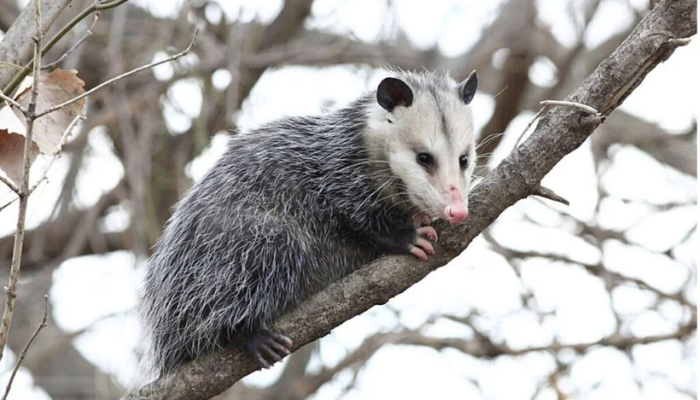
The tñacuache, more commonly known as the opossum in English, is a unique and fascinating marsupial native to the Americas. From its impressive adaptability to its role as an ecological cleaner, this creature has earned its place as a vital part of local ecosystems. Often misunderstood, the tñacuache is more than just a backyard visitor; it’s a survivor, a mother, and even a natural pest controller. In this article, we’ll explore the rich characteristics, cultural significance, and essential ecological roles of the tñacuache. Prepare to gain a new appreciation for this amazing marsupial that has thrived for millions of years!
Understanding the Tñacuache: Origins and Habitat
The tñacuache, often simply referred to as an opossum, is native to the Americas and is particularly common in regions ranging from Central to South America. This resilient creature is a member of the Didelphidae family, which includes a variety of marsupials known for their adaptability to diverse environments. Tñacuaches are most commonly found in dense forests, though they are known to live in rural and urban areas alike. These animals have an instinctual ability to thrive in a range of habitats, thanks to their remarkable survival mechanisms.
Typically, tñacuaches are nocturnal animals, which means they are most active during the night. This nighttime behavior allows them to avoid many of their natural predators and gives them access to food sources without much competition. They are omnivorous, feeding on insects, small animals, fruits, and plants, making them essential in controlling insect populations and spreading seeds. Their adaptability to different food sources also helps them survive in urbanized areas where resources may be limited.
The Anatomy and Unique Traits of the Tñacuache
The tñacuache may look like a simple creature, but it has several unique anatomical features that contribute to its survival. One of the most distinguishing characteristics of tñacuaches is their prehensile tail, which allows them to grasp objects and maintain balance while climbing. This tail acts almost like a fifth limb, giving the tñacuache excellent climbing capabilities, which is especially useful for escaping predators or reaching food in high places.
Additionally, the tñacuache has a remarkable defense mechanism known as “playing dead” or “playing possum.” When threatened, it can enter a state that resembles death, with slowed breathing and stiff limbs. This involuntary response often deters predators that prefer live prey. Moreover, tñacuaches have a high tolerance for toxins, allowing them to consume substances that would harm other animals. This unique resistance to certain toxins, such as snake venom, enables them to survive in environments with a variety of predators and potential food sources.
The Ecological Role of Tñacuaches in Their Environment
Tñacuaches play a critical role in maintaining ecological balance, particularly in controlling insect and rodent populations. As omnivores, they help manage various species that could otherwise become pests. Their diet, which includes a significant amount of insects and small rodents, naturally regulates these populations, thus reducing the spread of diseases and crop damage in both rural and urban areas. In essence, tñacuaches act as natural pest controllers, benefiting farmers and householders alike.
Beyond pest control, tñacuaches contribute to seed dispersal through their diet, particularly in forested regions. By consuming fruits and later dispersing the seeds through their waste, tñacuaches aid in forest regeneration and promote biodiversity. This ecological contribution has a lasting impact on their environment, promoting plant growth and supporting other wildlife that depend on forested areas. As key players in their ecosystems, tñacuaches embody the delicate balance that supports ecological health and biodiversity.
The Cultural Significance and Folklore Surrounding Tñacuaches
In many Latin American cultures, the tñacuache is more than just an animal; it holds a place in folklore and myth. Various indigenous cultures, including the Aztecs and Mayans, have stories featuring the tñacuache as a cunning and resourceful character. One common story is the “Legend of Fire,” in which the tñacuache is credited with bringing fire to humanity. In this tale, the tñacuache’s tail is said to have been singed while carrying fire, explaining its often hairless appearance. These cultural stories highlight the tñacuache’s clever and enduring nature, making it a symbol of resilience.
The tñacuache is also respected for its adaptability, a quality many cultures admire. In Mexican folk tales, it is often portrayed as a wise and helpful creature, possessing knowledge that benefits humans. This cultural reverence showcases the tñacuache as a bridge between humans and nature, embodying the characteristics that allow it to thrive in diverse environments. This deep-rooted cultural significance underscores the tñacuache’s role not only in nature but also in the lives and beliefs of the people who coexist with it.
Tñacuaches and Human Interaction: Risks and Benefits
Tñacuaches are increasingly encountered in urban areas due to habitat loss and human encroachment. While these animals are often viewed as nuisances when they wander into human spaces, they are generally harmless and even beneficial. Their natural pest control abilities help manage pests such as insects and small rodents, which can be especially advantageous in residential areas. Furthermore, tñacuaches rarely carry diseases that can be transmitted to humans, making them relatively low-risk neighbors.
However, as with any wildlife, there are considerations to keep in mind. Tñacuaches may scavenge for food in garbage bins or build nests in attics, which can lead to minor inconveniences for homeowners. To coexist peacefully, simple measures like securing trash cans and sealing entry points to homes can prevent such issues. Ultimately, by understanding and respecting these creatures, humans can minimize conflicts and even benefit from the tñacuache’s natural contributions to pest control and ecosystem balance.
Conclusion: Appreciating the Resilient Tñacuache
The tñacuache is a resilient and fascinating creature, one that embodies the spirit of adaptability and survival. From its crucial ecological roles to its place in folklore, this marsupial deserves recognition as more than just a common sight in wooded areas or suburban backyards. Tñacuaches help control pests, support biodiversity through seed dispersal, and offer a unique cultural heritage, making them invaluable to their ecosystems. By gaining a better understanding of the tñacuache and its characteristics, we can learn to coexist with and appreciate this remarkable animal that has lived alongside humans for centuries.
Frequently Asked Questions (FAQs)
- What is a tñacuache?
The tñacuache is a marsupial native to the Americas, known for its adaptability and role as an ecological pest controller. - Where does the tñacuache live?
Tñacuaches are found throughout Central and South America, inhabiting forests, rural areas, and even urban environments. - What do tñacuaches eat?
Tñacuaches are omnivores, eating insects, small animals, fruits, and plants, helping control pest populations and spread seeds. - Why do tñacuaches “play dead”?
When threatened, tñacuaches may enter an involuntary state resembling death to deter predators, a defense mechanism known as “playing possum.” - Are tñacuaches dangerous to humans?
Tñacuaches are generally harmless to humans, rarely carrying diseases transmissible to people, and they help control local pest populations. - How do tñacuaches benefit the ecosystem?
By controlling insects and rodents and aiding in seed dispersal, tñacuaches play an important role in maintaining ecosystem health. - Do tñacuaches have any predators?
Yes, common predators include owls, foxes, and larger mammals, although their nocturnal habits help them avoid many threats. - What is the cultural significance of the tñacuache?
In many Latin American cultures, tñacuaches are seen as symbols of resilience and are featured in folklore and myths. - How can I prevent tñacuaches from entering my home?
Simple steps like securing trash cans and sealing entry points can effectively prevent tñacuaches from intruding on properties. - Is it safe to have a tñacuache in my garden?
Yes, tñacuaches are beneficial for gardens as they control insect populations and pose minimal risk to humans.


