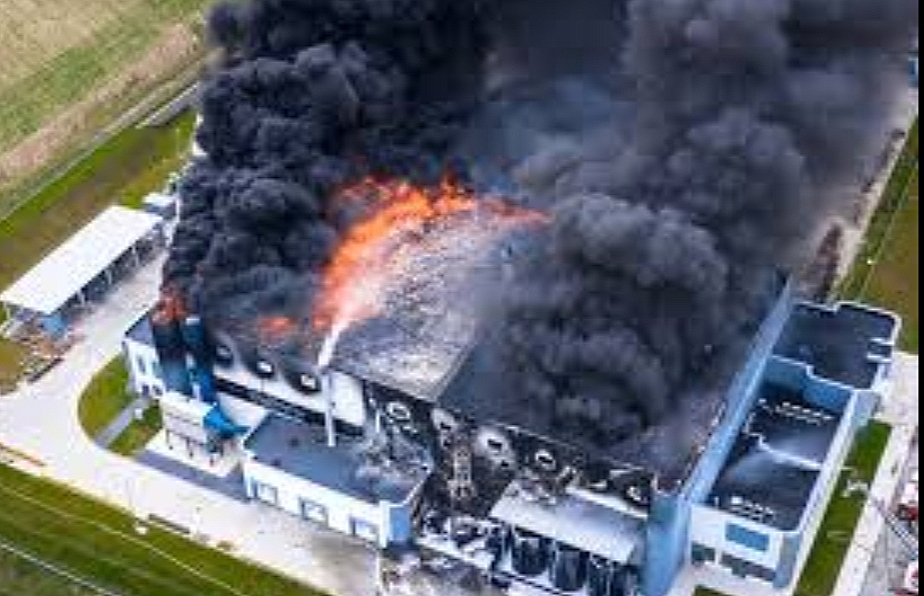
Manufacturing plants are complex environments where numerous processes take place simultaneously. These processes often involve the use of machinery, chemicals, and other materials that can create fire hazards if not properly managed. Identifying and controlling fire hazards in these environments is essential to ensure the safety of workers, protect valuable equipment, and prevent costly downtime. Obtaining a Fire Alarm Test Certificate is a critical step in this process, as it verifies that the fire alarm systems are functioning correctly, adding an extra layer of safety. In this blog, we will explore the key steps involved in identifying and controlling fire hazards in manufacturing plants, emphasizing the importance of proactive measures and ongoing vigilance.
Understanding the Importance of Fire Safety in Manufacturing Plants
Fire safety in manufacturing plants is not just a regulatory requirement; it is a critical aspect of operational safety. Fires in these environments can lead to catastrophic consequences, including loss of life, extensive property damage, and significant financial losses. The nature of manufacturing processes often involves the handling of flammable materials, the generation of heat, and the use of electrical equipment, all of which can contribute to the risk of fire.
Understanding the importance of fire safety is the first step in creating a culture of safety within the manufacturing plant. This involves recognizing that fire hazards can arise from a variety of sources, and that preventing fires requires a comprehensive approach that addresses all potential risks.
Identifying Fire Hazards in Manufacturing Plants
Identifying fire hazards in a manufacturing plant is a crucial step in preventing fires. This process involves conducting thorough risk assessments to pinpoint areas where fire hazards may exist. Some common fire hazards in manufacturing plants include:
Electrical Hazards
Electrical equipment is a significant source of fire hazards in manufacturing plants. Overloaded circuits, faulty wiring, and improperly maintained electrical systems can lead to sparks and overheating, which can ignite flammable materials nearby. Regular inspection and maintenance of electrical systems are essential to minimize the risk of electrical fires.
Combustible Materials
Many manufacturing plants use or produce combustible materials, such as chemicals, dust, and gases. These materials can easily catch fire if exposed to an ignition source. Proper storage, handling, and disposal of combustible materials are critical to preventing fires. This includes ensuring that flammable liquids are stored in appropriate containers and that dust control measures are in place to reduce the risk of explosions.
Hot Work Processes
Hot work processes, such as welding, cutting, and grinding, generate heat and sparks that can ignite nearby flammable materials. It is essential to implement strict controls for hot work activities, including the use of fire-resistant barriers, proper ventilation, and continuous monitoring to detect any signs of fire during and after the work is completed.
Mechanical Equipment
Mechanical equipment, including conveyors, motors, and compressors, can pose fire hazards if not properly maintained. Overheating, friction, and mechanical failure can generate enough heat to ignite nearby combustible materials. Regular maintenance, lubrication, and inspection of mechanical equipment can help prevent these hazards.
Human Error
Human error is a common cause of fires in manufacturing plants. Employees may inadvertently create fire hazards through improper use of equipment, failure to follow safety procedures, or neglecting to report potential hazards. Training and education are key to reducing the risk of human error. Workers should be trained to recognize fire hazards, understand the importance of fire safety, and know how to respond in the event of a fire.
Controlling Fire Hazards in Manufacturing Plants
Once fire hazards have been identified, the next step is to implement control measures to reduce the risk of fire. Controlling fire hazards involves a combination of engineering controls, administrative controls, and personal protective measures.
Engineering Controls
Engineering controls are physical modifications or installations designed to eliminate or reduce fire hazards. These may include the installation of fire suppression systems, such as sprinklers or fire extinguishers, and the use of fire-resistant materials in construction. Additionally, proper ventilation systems can help dissipate flammable vapors and reduce the concentration of combustible dust in the air.
Another important engineering control is the use of explosion-proof equipment in areas
where flammable gases or dusts are present. Explosion-proof equipment is designed to contain any sparks or flames that might occur, preventing them from igniting nearby materials. Implementing these controls can significantly reduce the likelihood of a fire starting and spreading within the plant.
Administrative Controls
Administrative controls involve the implementation of policies, procedures, and training programs to manage fire hazards. These controls are essential for ensuring that all employees understand the risks associated with fire and know how to prevent it.
Developing and enforcing a comprehensive fire safety plan is a critical administrative control. This plan should include procedures for identifying and reporting fire hazards, protocols for safe handling and storage of flammable materials, and guidelines for conducting hot work. Regular fire drills should be conducted to ensure that all employees are familiar with evacuation procedures and know how to use fire extinguishers and other firefighting equipment.
Training programs are also a vital part of administrative controls. Employees should receive training on fire prevention, the proper use of equipment, and emergency response procedures. This training should be refreshed regularly to ensure that employees remain aware of fire risks and know how to respond appropriately.
Personal Protective Measures
Personal protective measures are actions that employees can take to protect themselves from fire hazards. This includes wearing appropriate personal protective equipment (PPE), such as flame-resistant clothing, safety glasses, and gloves when working in areas where fire hazards are present.
Employees should also be encouraged to maintain a clean and organized workspace. Clutter and debris can contribute to the spread of fire, so it’s important that work areas are kept tidy and free of unnecessary materials. Additionally, employees should be vigilant in identifying and reporting any potential fire hazards they encounter during their daily activities.
Emergency Response and Fire Suppression
Even with the best prevention measures in place, it’s essential to be prepared for the possibility of a fire. Having an effective emergency response plan and fire suppression systems in place can help minimize the damage and protect lives.
Fire Suppression Systems
Fire suppression systems, such as sprinklers, fire extinguishers, and fire alarms, are critical components of a plant’s fire protection strategy. These systems should be regularly inspected and maintained to ensure they function properly in the event of a fire.
Sprinkler systems are particularly effective at controlling fires before they can spread, as they automatically activate when a fire is detected. Fire extinguishers should be strategically placed throughout the plant and be easily accessible to employees. It’s important that employees are trained in the proper use of fire extinguishers and know when it’s safe to use them.
Emergency Response Plan
An emergency response plan outlines the actions employees should take in the event of a fire. This plan should include evacuation procedures, designated assembly points, and methods for accounting for all employees. Clear communication is essential during an emergency, so the plan should also include protocols for notifying emergency services and plant management.
Regular fire drills should be conducted to ensure that all employees are familiar with the emergency response plan and can act quickly in the event of a fire. These drills can also help identify any weaknesses in the plan, allowing for improvements to be made before an actual emergency occurs.
Conclusion
Fire hazards in manufacturing plants present a significant risk to both safety and operations. Identifying and controlling these hazards requires a comprehensive approach that includes risk assessments, engineering controls, administrative controls, and personal protective measures. By understanding the importance of fire safety and implementing proactive measures, manufacturing plants can significantly reduce the risk of fire, protecting both employees and assets.
For those looking to ensure that their safety measures are up to standard, London Property Inspections offers valuable services, including comprehensive fire safety assessments. A well-prepared plant is not only safer but also more resilient in the face of potential fire-related incidents. Through ongoing vigilance, regular training, and a commitment to maintaining a safe work environment, manufacturing plants can effectively mitigate the risks associated with fire hazards, ensuring a safer and more productive operation, If you want to stay updated with posts like this, please follow us on Heardle 60S.