Introduction
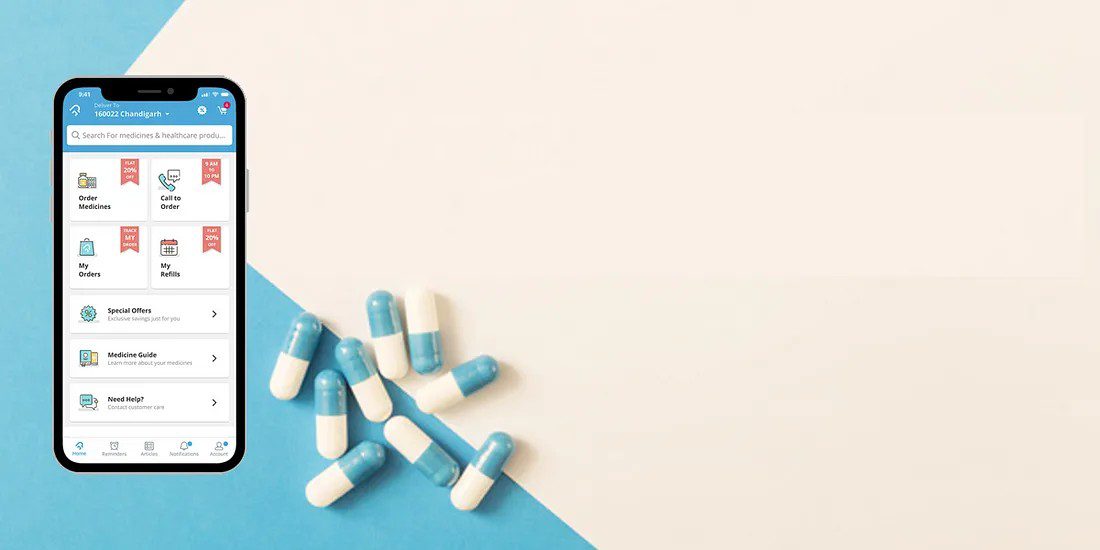
The digital transformation of healthcare has brought about significant changes in how medical services are delivered. Among these changes is the rise of medicine delivery apps, which allow users to order medications directly to their doorsteps with just a few clicks. As the demand for such apps continues to grow, businesses are increasingly looking to capitalize on this trend by developing their own medicine delivery platforms. However, creating a successful medicine delivery app requires careful planning, the right features, and a clear understanding of the associated costs. This guide provides a comprehensive overview of medicine delivery app development, covering essential features, costs, and best practices. If you’re considering this venture, partnering with an experienced Medicine Delivery App Development Company and choosing to hire iOS app developers can significantly impact the success of your project.
Key Features of a Medicine Delivery App
To ensure your medicine delivery app meets the needs of users and stands out in a competitive market, it’s essential to incorporate the following key features:
1. User Registration and Profile Management
A seamless registration process is crucial for attracting users. Allow users to sign up using their email, phone number, or social media accounts. Once registered, users should be able to manage their profiles, including updating personal details, viewing order history, and managing payment methods.
2. Search and Filter Options
Users should be able to search for medicines easily. Implement advanced search and filter options that allow users to find specific medications based on name, category, or symptoms. This feature enhances the user experience by making it easier for customers to find what they need quickly.
3. Medicine Information and Details
Provide detailed information about each medicine, including its uses, side effects, dosage instructions, and contraindications. This feature is vital for ensuring that users have all the necessary information to make informed decisions about their purchases.
4. Prescription Upload
Allow users to upload prescriptions directly through the app. This feature is essential for ordering prescription medicines and ensures that users comply with legal requirements. The app should also provide an option for users to receive consultation or verification from a licensed pharmacist if needed.
5. Order Tracking and Status Updates
Real-time order tracking is a must-have feature for any delivery app. Users should be able to track the status of their orders, from confirmation to dispatch to delivery. Push notifications can be used to keep users informed about their order status.
6. Multiple Payment Options
Offering a variety of payment options, including credit/debit cards, digital wallets, and net banking, is crucial for user convenience. Integrate secure payment gateways to ensure that all transactions are safe and reliable.
7. Reorder Functionality
The ability to reorder medicines with a single click is a feature that enhances user convenience, particularly for those who regularly require the same medications. This functionality saves time and ensures that users never run out of essential medicines.
8. Ratings and Reviews
Allow users to rate and review medicines and the overall app experience. This feature not only builds trust with new users but also provides valuable feedback that can be used to improve the app’s services.
9. Customer Support
Implement a robust customer support system within the app, including chat support, email, and phone options. Providing easy access to support ensures that users can resolve any issues quickly, enhancing overall user satisfaction.
10. Loyalty Programs and Discounts
Incorporate loyalty programs, discount coupons, and special offers to incentivize users to make repeat purchases. These features can help increase customer retention and boost sales.
Costs Associated with Medicine Delivery App Development
The cost of developing a medicine delivery app can vary widely depending on several factors, including the complexity of the app, the features included, the platforms supported, and the geographical location of the development team. Here’s a breakdown of the major cost factors:
1. App Platform (iOS, Android, or Both)
The choice of platform significantly impacts the development cost. Developing an app for both iOS and Android platforms will naturally be more expensive than developing for a single platform. However, to reach a broader audience, it is often recommended to develop for both platforms. You may need to hire iOS app developers and Android developers or opt for a cross-platform solution.
2. App Design
A well-designed app with an intuitive user interface is crucial for user engagement. The cost of app design includes wireframing, UI/UX design, and prototyping. Complex designs with advanced animations or custom elements will increase the overall cost.
3. App Development
The development phase includes frontend and backend development, API integration, and database management. The cost will depend on the complexity of the app, the number of features, and the experience level of the development team. Partnering with a reputable Medicine Delivery App Development Company ensures that the development process is efficient and adheres to industry standards.
4. Third-Party Integrations
Integrating third-party services, such as payment gateways, map services for tracking, and SMS/Email APIs for notifications, will add to the cost. Each integration requires specific development work and ongoing maintenance.
5. Testing and Quality Assurance
Testing is a critical phase that ensures the app is free of bugs and performs well across all devices. The cost of testing includes functional testing, performance testing, and security testing. A comprehensive quality assurance process is essential for delivering a reliable app.
6. Post-Launch Maintenance and Updates
After the app is launched, it will require ongoing maintenance, including updates, bug fixes, and the addition of new features. Maintenance costs can be a significant ongoing expense but are necessary to keep the app running smoothly and to adapt to user feedback and technological advancements.
7. Marketing and Promotion
To attract users to your app, you’ll need to invest in marketing and promotional activities. This can include social media marketing, app store optimization, and paid advertising. While not directly related to development, marketing costs are an essential part of the overall budget.
Best Practices for Medicine Delivery App Development
To ensure the success of your medicine delivery app, it’s important to follow these best practices:
1. Understand the Target Audience
Before starting development, it’s crucial to understand your target audience’s needs and preferences. Conduct market research to identify the demographics, pain points, and expectations of your potential users. This will help you design features and user experiences that cater to your audience’s specific needs.
2. Focus on Compliance and Security
Given the sensitive nature of healthcare data, ensuring compliance with relevant regulations, such as HIPAA in the U.S. or GDPR in Europe, is critical. Work with your Medicine Delivery App Development Company to implement robust security measures, including data encryption, secure authentication, and regular security audits.
3. Prioritize User Experience
A user-friendly interface and smooth navigation are key to retaining users. Ensure that your app is easy to use, with clear instructions, intuitive navigation, and quick response times. Regularly collect user feedback and make improvements to enhance the overall user experience.
4. Opt for Scalable Solutions
As your user base grows, your app should be able to handle increased traffic and transactions. Choose scalable technologies and infrastructure that allow your app to expand without compromising performance. A skilled Medicine Delivery App Development Company will help you build a scalable solution that can grow with your business.
5. Implement Real-Time Tracking
Real-time tracking is a critical feature that enhances user trust and satisfaction. Ensure that your app provides accurate and up-to-date tracking information for orders, including estimated delivery times. This feature not only improves the user experience but also helps manage customer expectations.
6. Regularly Update and Maintain the App
Technology and user preferences evolve rapidly, so it’s important to keep your app updated with the latest features and improvements. Regular maintenance is necessary to fix bugs, improve performance, and ensure compatibility with new operating system updates. Collaborate with your Medicine Delivery App Development Company to plan and implement these updates.
7. Offer Excellent Customer Support
Providing responsive and helpful customer support is essential for resolving issues and maintaining user satisfaction. Include multiple support channels, such as live chat, email, and phone, within the app to ensure that users can easily reach out for assistance.
Conclusion
Developing a medicine delivery app is a complex but rewarding endeavor that can significantly impact the healthcare industry by providing users with convenient access to medications. By partnering with a reputable Medicine Delivery App Development Company and following best practices, you can create a robust, secure, and user-friendly app that meets the needs of your target audience. Understanding the key features, costs, and development processes involved is crucial for the success of your project. Whether you plan to hire iOS app developers or work with a cross-platform development team, careful planning and execution are key to launching a successful medicine delivery app.
FAQs
1. How long does it take to develop a medicine delivery app?
The development timeline for a medicine delivery app typically ranges from 4 to 6 months, depending on the complexity of the features and the platforms being developed for.
2. Can the app be customized to include additional services like telemedicine?
Yes, most Medicine Delivery App Development Companies offer customization options, allowing you to add features like telemedicine, online consultations, or wellness services to your app.
3. What is the best way to ensure data security in a medicine delivery app?
Ensuring data security involves implementing encryption, secure authentication methods, regular security audits, and compliance with healthcare regulations like HIPAA or GDPR. Collaborating with an experienced development company can help you integrate these security measures effectively.


